


A review that says "lovely pub, good pint" is not wrong. It is just not useful. Someone reading it still doesn't know whether the guest ale was warm, whether the roast had sold out by two o'clock, or whether there is a step at the door that makes the whole visit impossible. The reviews people come back to, and the ones pubs quietly learn from, are the ones that answer a handful of small, specific questions.
You don't need to be a beer judge or a restaurant critic. You need a phone, ten minutes of attention, and a rough idea of what to look at. Here is how to do it well.
Take Notes While You're Still Sitting There
The pint you loved at nine o'clock is a vague memory by the time you get home, and the details are the only thing that makes a review worth reading. Jot a few lines at the table, even if it's just keywords in your phone's notes app.
Worth capturing:
- The date, the time and the day of the week. A Tuesday lunchtime and a Saturday night are different pubs in the same building.
- What you ordered, and roughly what it cost compared with what you expected.
- How busy it was, and whether you got a seat easily.
- Whether the tables were cleared, the glasses collected, the toilets decent.
- Anything you'd want to know before bringing your parents, your dog, or six friends on a birthday.
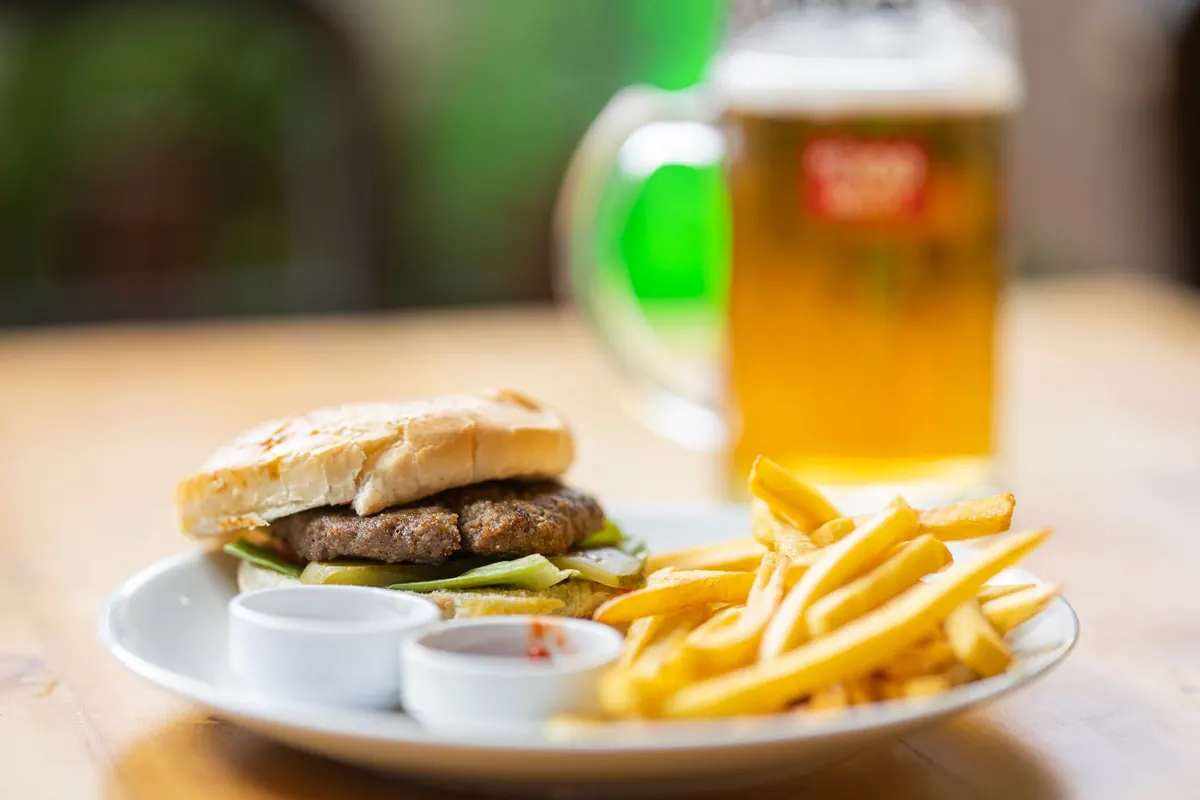
Photos help, but two or three honest ones beat fifteen moody shots of the same beam. A picture of your actual plate, not the menu.
On the Beer: Describe What You Tasted
Beer writing goes wrong when people reach for vocabulary they don't own. You don't need to detect grapefruit peel and wet stone. You need to tell a reader whether the pint was in good condition, which is the thing most reviews skip entirely.
The four things that matter most
- Temperature. Cask ale served too cold tastes muted; served warm it tastes flat and tired. Say which you got.
- Condition. Lively and clean, or dull and lifeless? Any hint of vinegar or cardboard in the finish is worth mentioning plainly.
- The pour and the glass. A short measure, an over-foamed head, or a glass that smells of last night's washing-up all affect the drink.
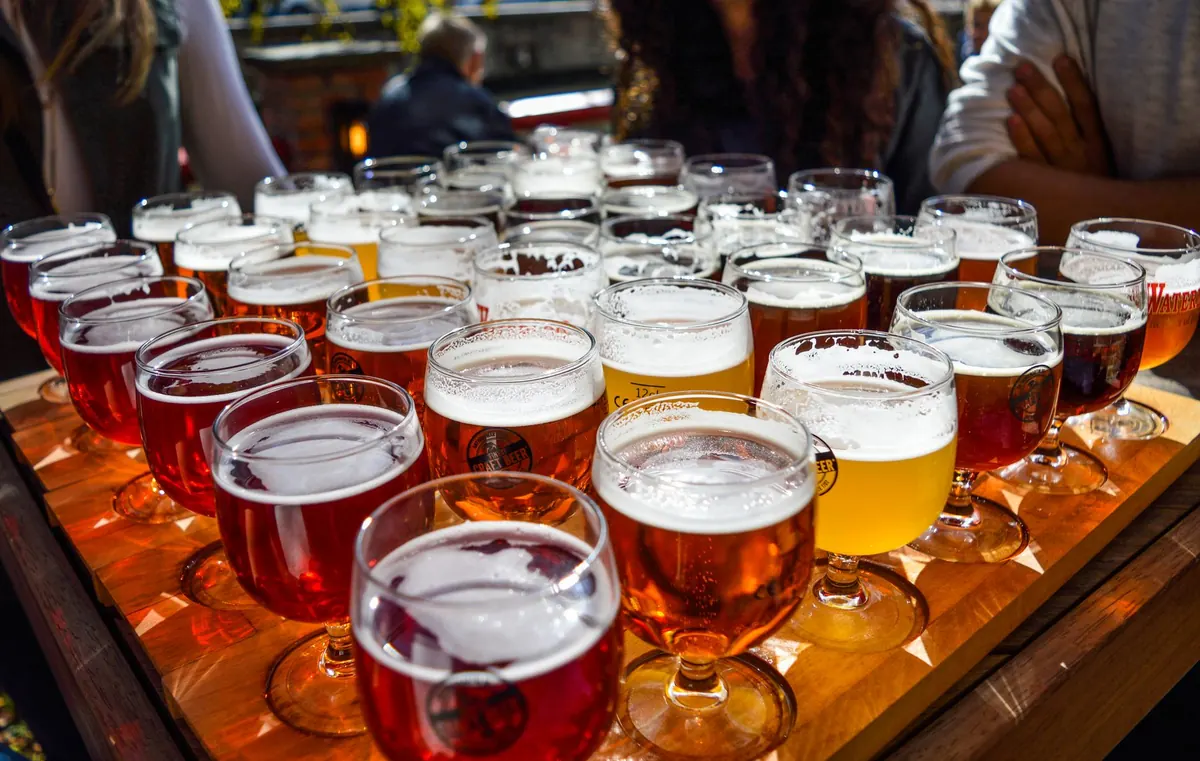
- Range. How many taps, how many casks, whether the guest beer looked fresh or had been sitting there a while. A small, well-kept list is better than twelve lines nobody drinks.
If you can't name a flavour, describe the effect instead: "thin and sharp," "rich and malty," "easy to drink two of." That is more use to a reader than invented poetry, and it has the advantage of being true.
On the Food: Order Like an Ordinary Customer
Review the menu people actually order from, not just the specials board. A burger, a pie, a bowl of chips and a vegetarian main tell you more about a kitchen than one ambitious plate does.
Note whether the food arrived hot, how long it took when the pub wasn't slammed, whether the portion matched the price, and whether a simple request — no onions, an extra plate, a smaller portion for a child — was handled without a sigh. If you asked about allergens or a dietary requirement, say how that was dealt with; the answer matters enormously to some readers and costs you one sentence.
One bad plate is a bad plate. Two or three, across a table, is a pattern. Say which one you're describing.
On Service: Be Specific, and Be Fair
Service complaints are usually about timing and attention: nobody greeted you, the wait for drinks was long, the food came before the cutlery. Those are useful observations. "Rude staff" without an example is not.
Mention the context. If two people were serving forty covers, that's worth noting, and it changes how a reader interprets the wait. Distinguish between a pub that is understaffed and one that doesn't care; they look similar from a table but they aren't the same thing.
Avoid naming individual staff in a negative review. Describe the situation rather than the person, and remember that your visit is one evening out of hundreds.
Accessibility and Comfort: The Section Most Reviews Skip
This is where a review can be genuinely valuable. If you use a wheelchair, a walking stick or a pushchair, your notes are hard to find anywhere else. If you don't, you can still record what you saw — it takes a minute and it helps a stranger plan their evening.
Things to look for:
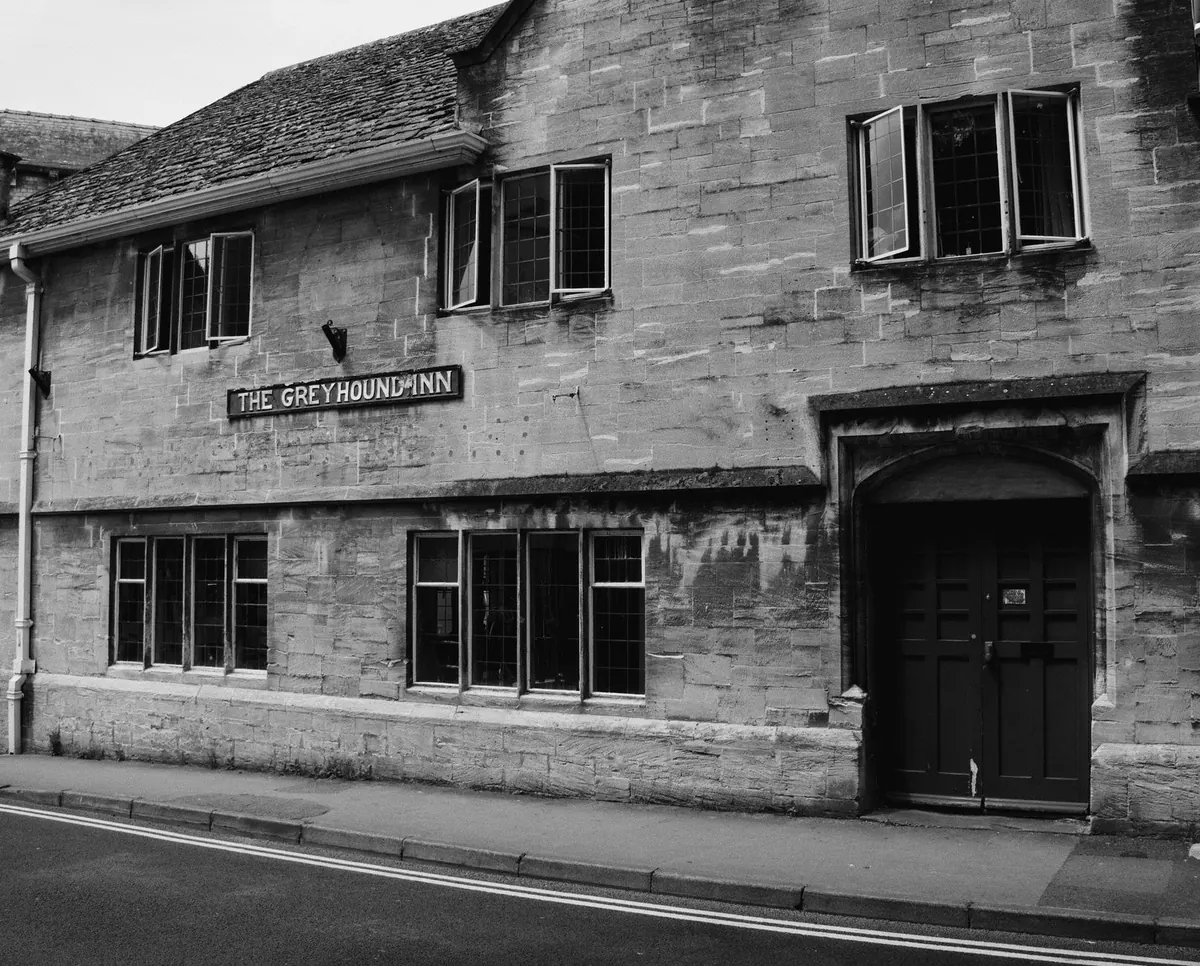
- Getting in. Steps at the entrance, a heavy door, a narrow corridor, a ramp around the side.
- Inside. Space between tables, fixed benches versus movable chairs, lighting you can actually read by.
- Toilets. Ground floor or upstairs, accessible or not, baby changing or not.
- Noise. Can you hold a conversation at eight o'clock, or is the room hard work?
- Practical policy. Dogs, children, card payments, garden, covered smoking area, last orders.
Write what you observed, not what you assume. Layouts change, so date your review and say when you visited. If you're unsure about something, say that too — "I didn't check whether the side entrance has a step" is more honest than silence.
Putting It Together
A good pub review is usually 150 to 300 words. Longer is fine if you have something to say; shorter is fine if you don't. A shape that works:
- One line on what kind of pub this is and who it suits.
- What you drank and ate, with the specific details above.
- Two or three sentences on service and atmosphere.
- The practical list: access, noise, dogs, children, payment.
- Whether you'd go back, and when.
Write it the day after, not the same night. A little distance turns irritation into accuracy, and accuracy is the whole point. If you were invited, comped or know the owner, say so in one clear sentence near the top.
A Checklist to Keep on Your Phone
Before you leave the table, check that you can answer these: what I drank, what I ate, what it cost, how long I waited, how loud it was, whether I could get in, and whether I'd return. That's it. Six or seven honest answers, written in your own voice, will beat a hundred words of polished praise every time.
Then go back in six months and update it. Pubs change, and a review that keeps pace with them is the most useful thing you can leave behind.
Photo: Muhtelifane / Pexels